THE ARTIST IN RESIDENCE (A.I.R.) LAW
The A.I.R. (Artist In Residence) law is the zoning DNA of SoHo and NoHo. Born in the 70s and now officially back in the news as of earlier this year, this ordinance was originally designed to put the neighborhood’s industrial lofts in the hands of creatives, and ended up paving the way for the architecturally iconic residential neighborhood we know today. Whether you’re an accomplished painter or just a stylish New Yorker looking for high ceilings and historical details, here is what you need to know about the evolution of this newly relevant legislation.
FROM FIRE HAZARD TO HIGH FASHION
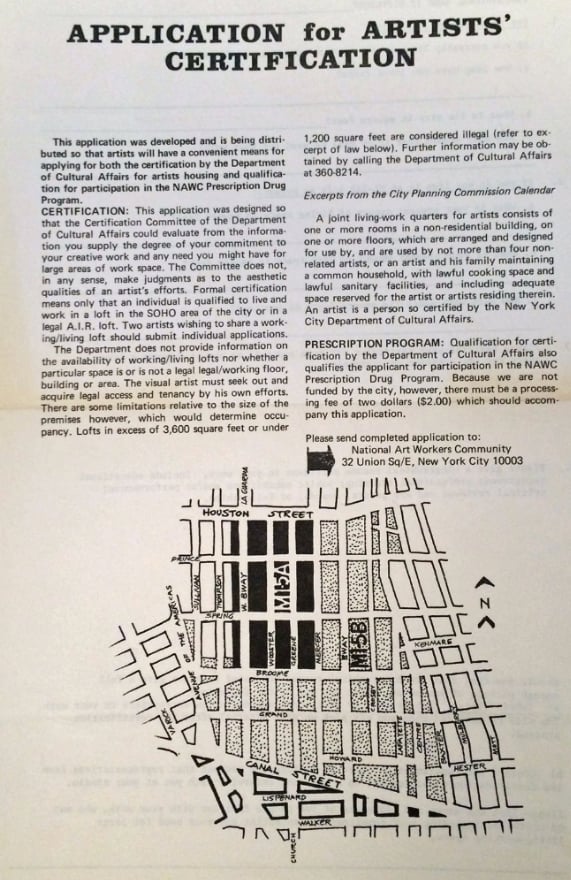
In the 1960s, SoHo was a landscape of manufacturing lofts. Artists moved in illegally because the space was cheap, the light was divine, and creativity flowed around them (so did the rats and roaches). These artists even had to hang signs outside their doors reading "A.I.R." so firefighters would know someone was living inside a building zoned only for industrial purposes.
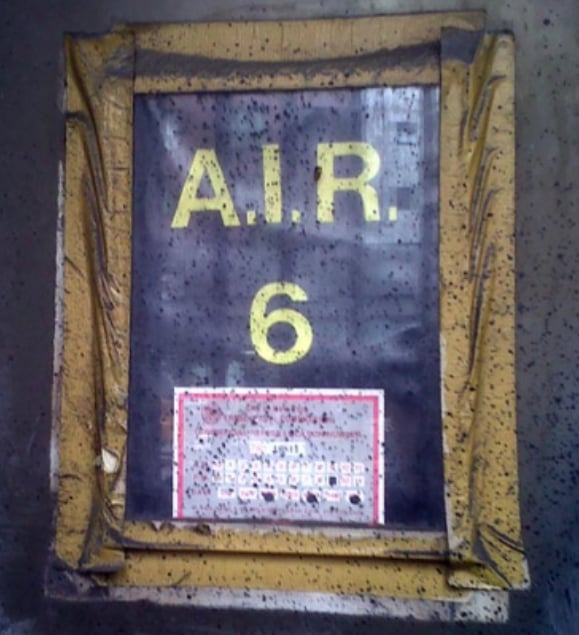
By 1971, thanks to some serious activism from the SoHo Artists Association, the city recognized the opportunity and finally legalized "Joint Live-Work Quarters for Artists" and, boy, do I wish I could have been a fly on one of those cast-iron walls back then.
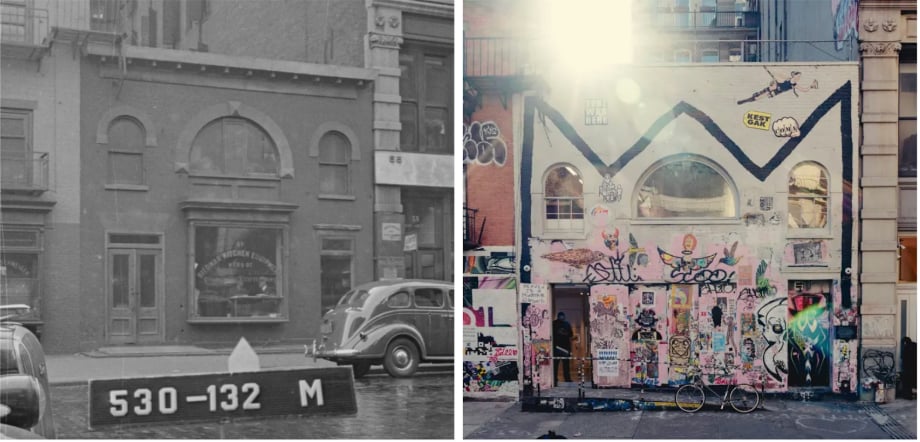
57 Great Jones, owned by Warhol, occupied by Basquiat
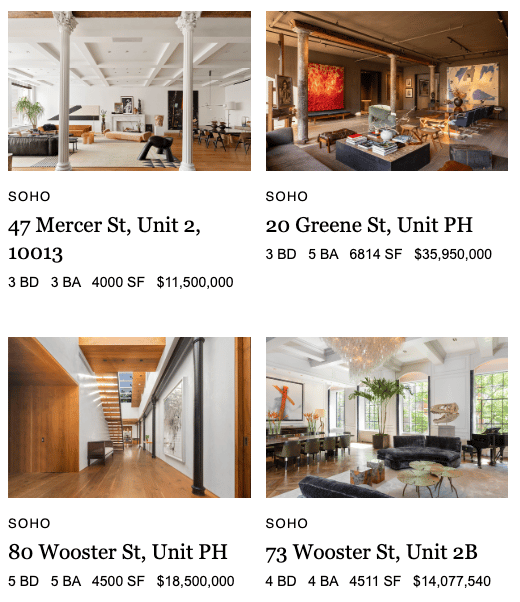
Over the following 50 years, minimal enforcement of the law opened the market to a much broader buyer pool, and that caused loft values to skyrocket. Case in point:
THE FRESHEST A.I.R. UPDATE
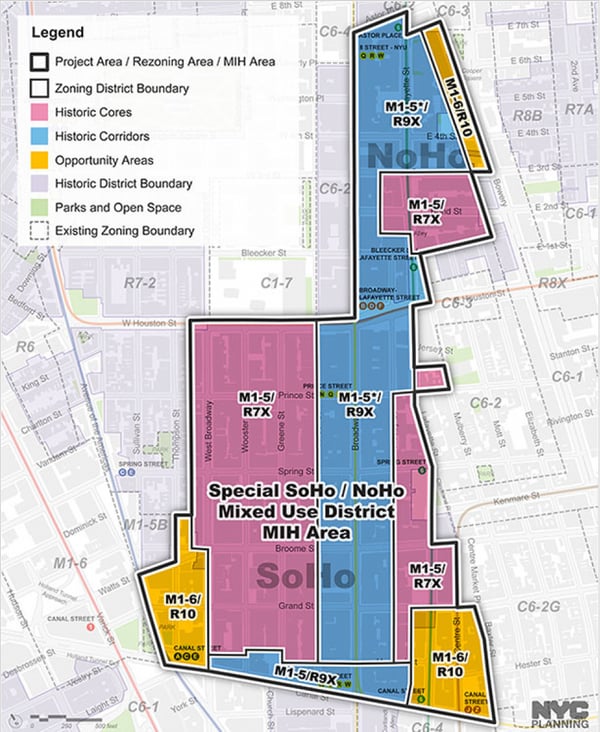
In 2021, rezoning of SoHo and NoHo as “mixed-use” vs. industrial was proposed, which would officially allow these A.I.R. lofts to be converted to residential use for a steep fee. It was also acknowledged that a potential quarter-million-dollar whammy to a long-time 2,500 square foot loft owner could be problematic so fortunately, additional legislation was introduced to provide protection to all loft residents whose occupancy began on or before 12/15/21, regardless of their status as a certified artist.
Just this year, the law was at last affirmed by the courts (although there will likely be years of appeals to come). It remains to be seen whether A.I.R. loft owners will proactively pay this fee to convert their home to residential use for ease of sale (I doubt it), or leave it up to the buyer to make their bid accordingly.
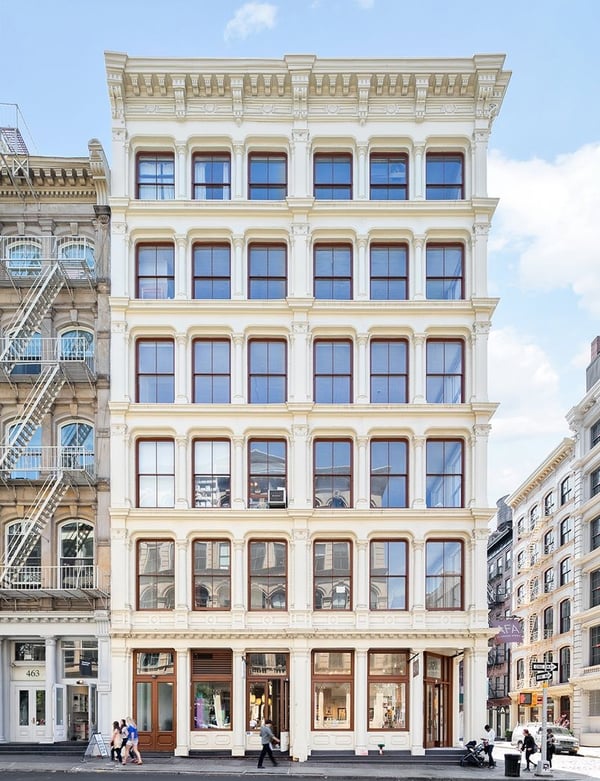
6 RULES FOR NAVIGATING THE ARTIST LOFT LANDSCAPE
1. NO questions asked. For decades, the AIR rule was unenforced and widely ignored (the $1,250 maximum fine was hardly a nuisance). Non-artists bought lofts, and values soared. But now that the SoHo/NoHo rezoning has created a formal (and expensive) pathway to legitimate residential use for all, you should expect that someone will be asking.
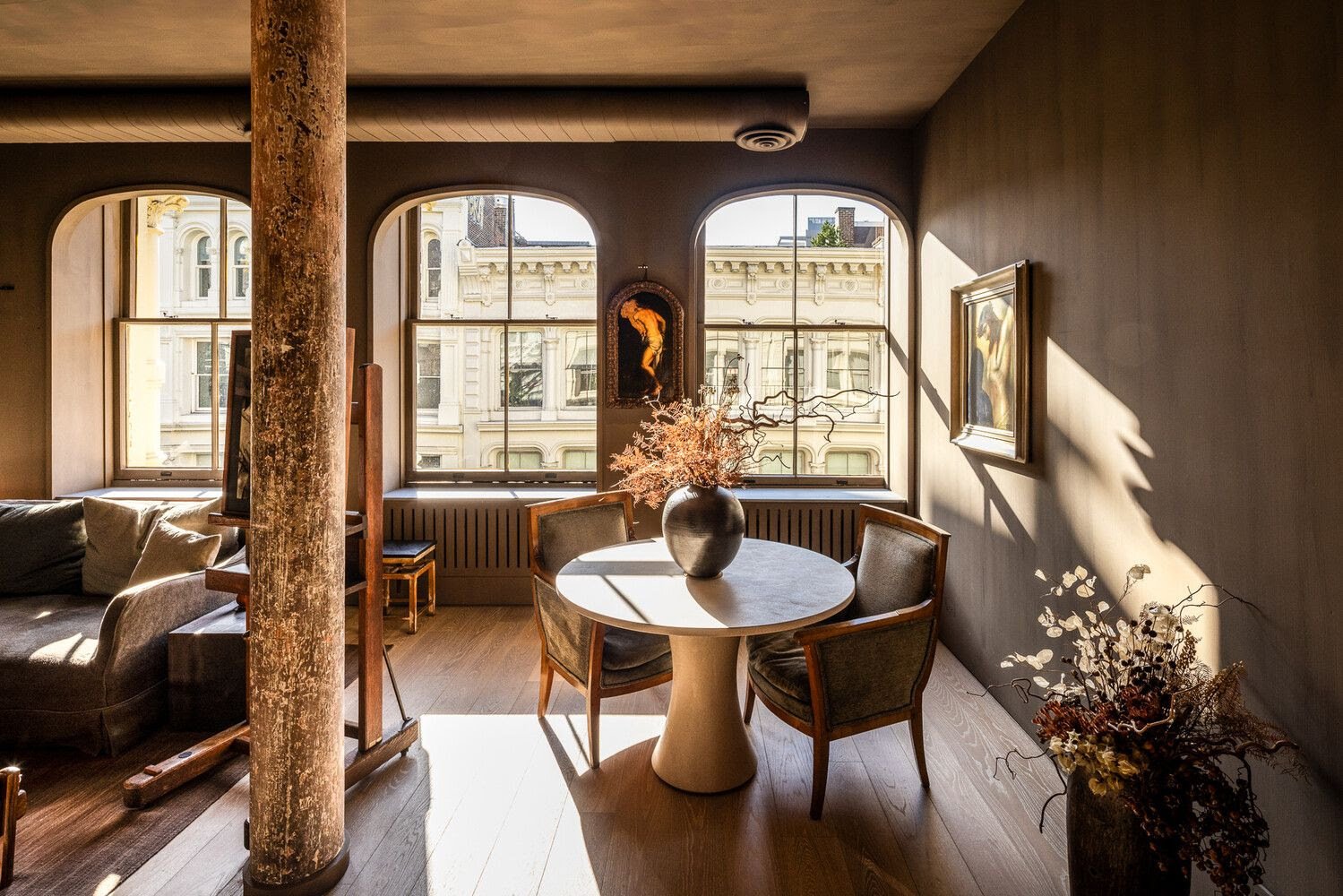
2. NO, your toddler’s finger paintings don’t count. To legally occupy a JLWQA unit, at least one resident must be a "Certified Artist", defined as “a person who is regularly engaged in the fine arts, such as painting and sculpture, or in the performing or creative arts, including choreography and filmmaking, or in the composition of music, on a professional basis and is so certified by the city department of cultural affairs and/or state council on the arts.” The Artist Certification legally equates the named artist to a light manufacturer, thus qualifying for occupancy in buildings zoned for manufacturing
3. KNOW the new calculation. If you want to convert an artist-only loft into a standard residential apartment, be prepared to open your wallet. The "conversion fee" is a contribution to the SoHo-NoHo Arts Fund, and as of August 2024, that rate is $115.76 per square foot. Both buyers and sellers must factor in this development when looking at comparables and formalizing an offer.
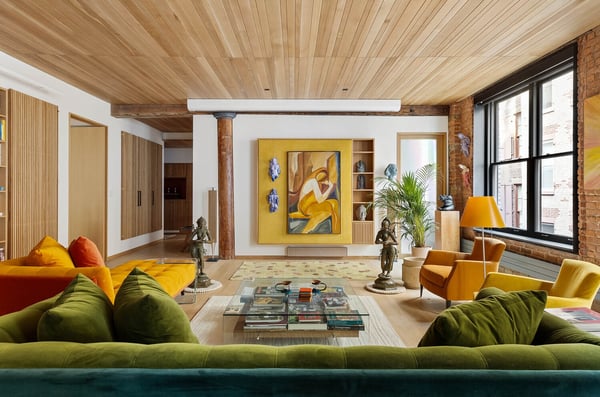
4. NO problem for the old guard. If you were already living in an artist loft before December 15, 2021, breathe a sigh of relief. Under recent legislation, residents who occupied these spaces prior to the rezoning can continue to live there legally, even if they wouldn't know which end of a paintbrush to hold.
5. How do you KNOW if this applies to you? If the property of interest is located within this roughly 56-block area in Lower Manhattan generally defined as:
North: Astor Place / East 8th
South: Canal
West: West Broadway / Sixth Avenue
East: Bowery / Lafayette
Proceed to check the building's Certificate of Occupancy on the DOB website and look for certain smoke signals such as JLWQA, 17D, J-2, RES, SNX, or better yet, just call me.
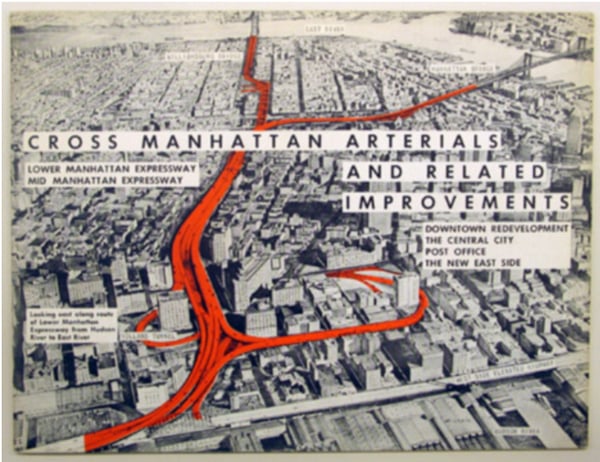
6. KNOW your cast-iron roots. The creative community didn’t just live and paint in these buildings; they saved them. Without the original AIR activists, SoHo might have been leveled to make way for Robert Moses’ proposed Lower Manhattan Expressway cutting through Broome Street and creating a totally different cityscape than the one we know and love today. When you buy a loft here, you aren't just buying square footage, you're buying a piece of a hard-fought revolution.